

Grand Final Betting Pokies: Which Setup Fits Your Play Style

The grand final weekend rush changes how people approach the lounge. You want a session that pays attention to timing, payout clarity, and the kind of repeat value that survives past the welcome offer. I have spent more than a decade shaping sportsbook and payments screens, and the same rule applies here: if a payout path or a bonus mechanic is hard to read, players bounce before the first spin settles. This read walks through three player-fit scenarios for grand final betting pokies, keeping the focus on what you actually keep coming back for.

When I map a casino interface, I always check whether the loyalty ladder and recurring promos are visible before the first deposit screen, because that tells me whether the operator is built for one-off traffic or repeat sessions. Heaps of wins casino review lays out how a property structures its ongoing cashback, tournament drops, and VIP tiers, which is the sort of detail that matters when you are comparing where to sit for the big weekend. The same discipline shows up in how a good payments panel labels each step, so you know exactly what clears, what holds, and what needs another tick before it moves.

Picking a Session That Matches Your Pace

Some players want a short, sharp run that lines up with the broadcast window and the arvo crowd. For that fit, grand final betting pokies work best when the lobby groups titles by volatility and spin pace, so you are not hunting through a pile of slow-build slots when the match is about to kick off. A clean session setup should let you set a stake ladder, cap the autoplay, and see the payout table without tapping through three layers. That is the kind of transaction-focused UX I have pushed into payments flows for years, because a player who can read the risk upfront makes better choices under pressure.

If you like a steadier rhythm, look for titles with frequent small hits and a loyalty drop that lands on the same weekday each week. The point is not to chase a flashy welcome bonus and then lose the plot when it expires. Recurring promos, even modest ones, give you a reason to log back in on a quiet Tuesday rather than only when the grand final is on. A well-built casino will show those promos in the same place as your balance and pending withdrawals, so you are not bouncing between tabs to figure out what is active.

The West Australian crowd tends to be blunt about this: if the lobby feels cluttered and the bonus terms are buried, they move on. That directness is healthy. It keeps operators honest about what they actually offer after the first week, and it stops the marketing from dressing up a thin loyalty program as something it is not.

How Bonus Mechanics Hold Up After the First Week

A welcome offer gets your foot in the door, but the real test is whether the property keeps giving you reasons to stay. Cashback that rolls back a slice of losses on a set schedule, tournaments with clear leaderboards, and a VIP tier that actually changes your support queue are the bits that matter once the initial bonus has been played through. I have seen too many interfaces slap a big number on the homepage and then hide the wagering detail behind a modal, which is poor design and worse for the player. A transparent mechanic should state the contribution rates, the expiry window, and the payment methods that qualify, all in one place.

There is a useful parallel in classic two-up: heads wins, tails loses, and odds – one of each – means the spinner tosses again. That same kind of clarity is what you want from a bonus rule set. If the terms read like a riddle, you are not being given a fair shot at judging the value. Blackjack is also known as 21, after its target hand value, and the point is the same: a clear target makes the game readable. When a pokies lobby or a bonus panel hides the target, you are guessing rather than choosing.

For players who return often, tournaments and loyalty points need to feel like a continuation of the same session, not a separate product you have to relearn. A good setup keeps the tournament timer visible, shows your place without making you dig, and explains how points convert into cashback or table credit. That is the recurring value that keeps grand final betting pokies from becoming a once-a-year habit.

Payments, Timing, and the Weekend Clock

The grand final window stretches across time zones, and that matters more than people admit. AEST, AWST, and the three-hour gap between them can turn a simple withdrawal into a timing puzzle if the support window and the payment queue do not line up with when you are actually online. I have built payment flows where the status labels had to survive a late-night surge, because a vague “pending” status during a busy weekend is the fastest way to lose trust. A clean interface tells you whether a transaction is submitted, processing, or cleared, and it does it in plain language.

If you are playing from Cairns or anywhere along the coast, the local rhythm is different again. A lunchtime session and an evening session can feel like two separate games, and the operator needs to handle both without making you re-enter details or re-read terms each time. The same goes for currency and limits: the numbers should stay consistent from registration through to payout, with no surprise conversion step that only appears when you try to cash out. Consistency is what makes a payments panel feel reliable rather than clever. Skynews

I have also seen progressive systems that link prizes across machines in a way that actually makes sense to the player. Aristocrat’s Lightning Link, for example, links progressive prizes across machines, which is a neat bit of system design when it is presented clearly. The lesson translates directly to a casino dashboard: if a feature spans multiple touchpoints, the player should see the connection without needing a manual.

Which Player Fit Actually Holds Up

The first fit is the weekend sprinter: you want a tidy lobby, a stake ladder you can set in seconds, and a bonus that does not demand a maths degree to understand. That player benefits most from a property that puts recurring promos and cashback on the front line, because the welcome offer is only the opener. The second fit is the steady accumulator, who returns between rounds and cares more about loyalty points, tournament access, and a support team that answers in the same timezone they play in. That player needs a loyalty ladder that is visible and a payments panel that keeps pending items legible. Stereo

A third fit is the pragmatist who treats the lounge as a social session and wants the mechanics to stay out of the way. For that player, the right setup is one where registration is short, the mobile layout does not shrink the payout table into a puzzle, and the support options are obvious before the first deposit. None of these fits require a flashy pitch; they require a clear one. When the interface reads well and the recurring value is real, grand final betting pokies becomes a session you can judge on its own terms rather than on the noise around it.

What this means for Australians is straightforward. Pick a property that shows its ongoing promos, cashback, and loyalty tiers before you deposit, and check that the payment labels and limits stay the same from sign-up to withdrawal. Watch the timing across AEST and AWST if you are playing into the grand final window, and do not assume a big welcome number is the same thing as lasting value. If the lobby, the bonus terms, and the payout path all read clearly, you have a setup worth returning to. If they do not, no amount of marketing will fix it.
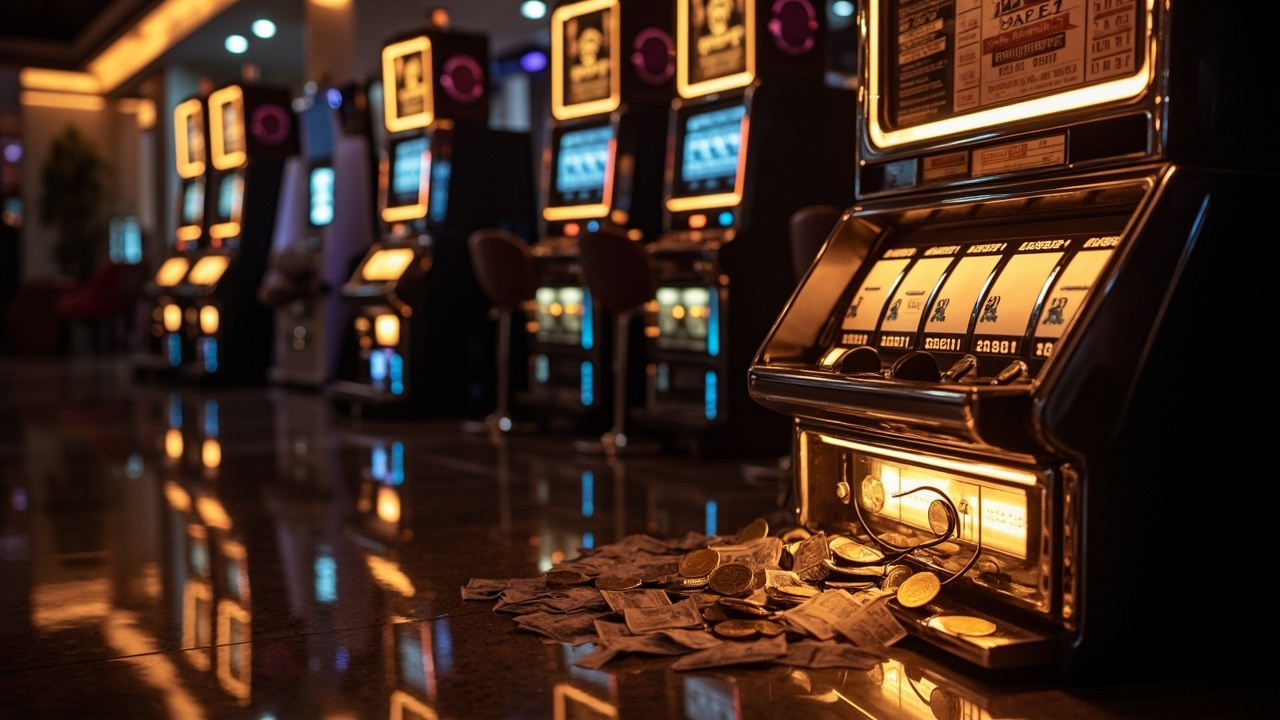

When casino decision fatigue turns a good lobby into a slow night out

If you have ever stared at a lobby packed with fifty slots and a handful of tables and walked away with nothing but a tired thumb, you have felt casino decision fatigue in the wild. It is not a moral failing; it is a load problem. As a slot mathematician and game-design consultant who has spent years aligning reel geometry, hit frequency and art direction into commercially durable machines, I treat decision load the same way I treat volatility: as a design variable that can be tuned, measured and, when it runs hot, dialled back. The right lobby does not ask you to solve a spreadsheet before you pick a game. It offers a clear mix, honest labels and a path that matches how you actually want to play tonight. If you want to test that kind of setup for yourself, register now for heapsowins sign up and take a look at how a cleaner lobby changes the pace of a session.

What casino decision fatigue actually costs you

Casino decision fatigue is the slow drain that happens when every tap asks you to re-evaluate theme, volatility, bet range, RTP hint and bonus mechanics all at once. In my work, I model how often a machine pays back small wins and how large the gaps between them are, because those two numbers shape whether a player feels in control or stranded. A lobby that buries that information under stacked promotions and vague tags forces the same recalculation on every screen. That is exhausting, and it is expensive in time and focus. The practical cost is not just a shorter session; it is a drift toward impulse picks, chasing a theme that looked nice rather than a mechanic that fits the bankroll you brought. I have watched well-built games fail commercially because the lobby asked too much before the first spin, and I have watched modest titles hold their ground because the path to the first bet was obvious. The difference is rarely luck. It is clarity.

When that cognitive load peaks, players often default to familiar patterns rather than optimal strategy, a phenomenon documented in recent gambling research on decision fatigue. I track those micro-choices through session logs to see how quickly attention fractures under constant menu switching. The data suggests that simplifying the initial choice architecture can preserve mental bandwidth and keep the experience feeling manageable.

Picking the right mix for a quiet session

A lobby that respects decision load does a few boring, valuable things well. It separates slots from tables and live content so you are not scrolling past symbols to find a chair. It groups providers by the feel of their maths rather than by a marketing banner, so a player who likes steady small returns is not forced to wade through high-variance screens to find them. Search should work on a single word and on a mechanic, not on a slogan. Discovery should surface the bet range up front, because nothing burns decision energy faster than opening a game only to find the minimum is out of reach. These are the same design choices I make when I balance a reel strip against a payline map: the goal is to make the right choice feel easy, not to hide the odds behind a pretty backdrop. When the lobby is organised around how people actually choose, the session feels calmer and the maths underneath gets a fairer hearing.

How the lobby shapes your choices

The lobby is where art direction and probability meet the player’s patience. A strong lobby uses visual hierarchy to do the heavy lifting: clear categories, readable labels, and a search that returns what you asked for instead of a slideshow of everything. I have seen lobbies where the same provider appears under three different banners, each with a different bonus mechanic and a different currency display, and the result is a player who spends more time sorting than playing. That is poor design, and it shows up in the session length. A better approach is to keep the game mix honest, show the payment and currency options plainly, and let registration and mobile access be straightforward without pretending the maths is anything other than what it is. The age of the machines matters here too; these AI wins highlight how much strategy underlies “games of chance,” and a lobby that respects that reality tends to keep players focused rather than scattered.

A beginner’s way to cut the noise

If you are new to this, treat a lobby like a map, not a maze. Start with one clear goal for the arvo: a low-stress session, a specific provider, or a table limit you are comfortable with. Use search on one mechanic or one title instead of scrolling the whole floor. Read the bet range before you open the game, and skip anything that asks you to re-enter the same choices twice. When a bonus mechanic appears, read what it actually changes before you commit, because a glossy label does not change the underlying hit pattern. Keep your session short enough that you can still make the last decision with a clear head, and step away when the choices start feeling repetitive rather than interesting. That is not a trick; it is just how you keep decision fatigue from running the session for you.

Checklist for a calmer lobby session

  • Pick one mechanic or one provider before you open the lobby, so search does the sorting instead of your thumb.
  • Check the bet range on the game screen before you sit down, and match it to the bankroll you brought.
  • Separate slots, tables and live content in your head first, then use the lobby categories to confirm rather than to hunt.
  • Read a bonus mechanic’s actual effect on wagering or bet sizing before you commit, not just the headline.
  • Stop when the choices start feeling repetitive; a short, clear session beats a long one run on impulse.

Casino decision fatigue is real, but it is also manageable when the lobby is built to reduce load instead of adding to it. A clear mix, honest labels, and a path that matches how you want to play will do more for a session than any stacked promotion ever will. The maths underneath stays what it is; the difference is whether you get to meet it with a clear head.

That kind of design turns a potentially overwhelming session into something you can actually enjoy from the first spin to the last. If you are ready to try a lobby that puts clarity before clutter, you can register now for heapsowins sign up at https://heapsowinssignup.com/ and see the difference for yourself.

How meal timing casino session Shapes a Longer Play

Most Australians treat the pokies floor like a marathon, but the body keeps its own score. When you plan a meal timing casino session, you are really managing energy, patience, and the temptation to chase a dry streak. The maths behind a reel set does not care whether you are hungry, but your bankroll discipline certainly does. Good timing keeps the session honest and the losses contained. For those chasing fast action at need for speed casino, the temptation is to skip lunch and keep pulling, which is exactly when the numbers turn against you.

Why hunger changes the way you read a paytable

When blood sugar dips in the middle of an arvo session, your decision-making gets sloppy long before the reels stop. I have watched players misread volatility because they are tired, not because the game is tricky. Building a model in Slot Designer shows the same return-to-player curve regardless of the hour, but the human behind the screen is a different equation entirely. You start pressing buttons faster, you ignore the bet slider, and you treat a cold run like a signal instead of noise.

The trick is to treat food like a session parameter, not an interruption. A proper break resets the attention span and keeps the wagering within the limits you set at the start. If you are playing somewhere with a solid licence and clear account controls, you can step away without losing your place or your history. The best operators let you pause, log out, and come back without friction, which matters when you are trying to keep a sensible pace rather than burn through a bonus in one sitting.

Two parts of the break that actually matter

What to eat before you sit down

A heavy lunch before a session is a mistake, but skipping food entirely is worse. You want something steady, not a sugar spike that crashes an hour later. A sandwich, some fruit, and a decent coffee keep the hands steady and the head clear. I have seen players blame a game for a rough patch when the real issue was a mid-afternoon slump they never planned around.

The session itself should be timed around that meal, not the other way around. If you sit down after a proper feed, you are less likely to raise the stake out of boredom or frustration. That is where the maths meets the routine. A player who eats first and sets a limit second is running a different game than the one who dives in on an empty stomach and hopes the reels sort it out.

When to step away for a proper break

A good break is not a quick glance at the phone between spins. It is a proper reset, ideally before the session drags into the evening. Step out, eat something, and compare your notes against what you actually wanted from the session in the first place. If you are tracking your play on Perth gambling forums, you will see the same pattern pop up repeatedly: the longest, most expensive sessions are the ones with no meal breaks at all.

The break also gives you a chance to check the account controls without feeling rushed. Responsible-play tools, deposit limits, and reality checks only work if you use them when you are calm enough to read them properly. A player who checks the limit before the session starts is in a different headspace than one who stumbles across it halfway through a losing run.

Matching the break to the way you actually play

Not every player needs the same timing, and that is where a generic piece of advice falls apart. A short, sharp session on a video pokie with a tight stop-loss needs less planning than a longer evening run where you are treating the play as entertainment, not a rush. The key is to decide the break before the first spin, not after the third bad run.

The operators worth your time make that easier by keeping the account controls visible and the support easy to reach if you need to adjust a limit on the fly. Security and privacy matter here too, because a player who trusts the platform is more likely to use the tools instead of ignoring them. If the registration is straightforward and the mobile play holds up without dragging, you are less likely to feel trapped in the session and more likely to walk away when the break timer says so.

A proper loyalty setup should reward steady play, not just big deposits, because that encourages the kind of pacing that keeps a session enjoyable rather than expensive. When the rewards line up with the way you actually play, the meal break stops feeling like a chore and starts feeling like part of the plan.

I reckon the players who last longest are the ones who treat the break as part of the game, not a distraction from it. If you plan the meal, set the limit, and stick to a site with proper licensing and support, the session stays under control. For anyone who wants a faster pace without throwing discipline out the window, a well-timed break and a clear account setup are the only two things that genuinely matter.

Caffeine Casino Performance and the Player Cashier Experience

When the live floors went quiet during the pandemic lockdowns that closed casinos across the globe, a lot of operators had to rethink how a cashier actually holds up when traffic spikes and support teams are stretched. That episode still shapes how I weigh caffeine casino performance for an Australian reader who wants a clear deposit and withdrawal path without the usual runaround. The real test is not the welcome screen but what happens when you move money in, play a session, and then try to get it back out with a fair bit of sense.

That same focus on operational stability is why I always point Australian players toward platforms that keep their payment gateways open and their support lines staffed, even when the traffic surges. If you want to test that reliability without risking your own bankroll, you can use key for lucky elf casino promo code at https://luckyelfpromocode.com/. It’s a straightforward way to verify that the cashier flow stays smooth before you commit to longer sessions.

Cashier Flow and Payment Conditions

The deposit and withdrawal flow is where caffeine casino performance earns its keep or loses it quietly. The cashier lists a sensible spread of methods – credit and debit cards, a couple of e-wallets, and an AUD-friendly deposit rail – so you are not forced into a single route just to fund a session. Currency handling stays anchored to Australian dollars on the front end, which cuts down on the usual confusion around conversion rates when you are just trying to spin for an arvo session. Limits are posted in plain terms rather than buried in a footer, and that matters because a player should know the ceiling and the floor before they commit.

Processing times sit in a realistic band rather than promising everything instant and frictionless. Verification is part of the flow and it is not optional, which is the right call even if it adds a step or two for a new account. The trade-off is straightforward: tighter checks slow the first withdrawal a touch, but they also keep the whole operation from drifting into the sort of loose end that causes headaches later. For a Canberra-based player who might be balancing a local session with a long drive back from a regional spot, a steady cashier rhythm is worth more than a flashy promise.

What the Numbers Mean for Your Money

Deposits and the First Session

If you are new to this, treat the first deposit like a test lap rather than a commitment. Start small, pick the method you actually use day to day, and watch how the funds land in your balance. A sensible beginner approach is to confirm the deposit rail, note the displayed limit, and then play a short session so you can see how the account behaves before you put in more. That way you are checking the flow itself, not just the games.

Withdrawals, Verification, and Timing

The withdrawal side is where patience matters more than speed. Submit the request, keep your details consistent with what you used on the way in, and expect a verification step that is normal rather than a setback. Processing windows are not instant by design, and that is a fair condition rather than a flaw. If you are comparing notes from Canberra gaming circles on how long a payout actually takes, the honest read is that a steady, documented process beats a vague promise every time.

Matching the Cashier to How You Play

The right payment setup depends on how you actually play, not on what a marketing page implies. Someone kicking off a single session on a laptop wants a clean deposit and a withdrawal that arrives without a drawn-out chase. Someone who plays across a few sessions a week cares more about consistent limits and a clear verification path than a one-off bonus headline. caffeine casino performance is strongest when the cashier is built around those ordinary habits rather than around a gimmick. That is the same kind of judgement call I used to make when weighing supplier launches for operator partners – the feature that looks slick on paper only matters if it holds up when a real account is moving real money.

Verdict

The cashier is the honest part of the whole setup, and caffeine casino performance stands or falls on how that flow behaves when you are not watching the promo page. For an Australian adult who wants AUD-consistent deposits, a clear verification step, and a withdrawal process that is steady rather than theatrical, the conditions are reasonable. No one should expect instant everything or risk-free play, but the practical path through the cashier is workable and worth a careful first session.

Casino Focus Supplement: A Clear-Lined Look at Signup, Verification and First Sessions

Stepping into a new digital lounge always feels a bit like walking past a Newcastle fish market at dawn – loud, busy, and easy to misread until you know where to stand. casino focus supplement positions itself as a calmer entry point for players who want registration, verification and that first deposit to land without the usual scramble. The promise is straightforward: a tidy signup path, clear bonus activation, and a first session that doesn’t feel like you’re guessing the rules in the dark. For Australians weighing a fresh platform, the real test is whether the paperwork and the play actually line up, not whether the marketing copy sounds polished.

How the Signup and Verification Path Actually Flows

Getting registered on casino focus supplement is less a maze and more a checklist, which is a relief if you’ve spent an arvo clicking through screens that ask the same question three different ways. The form asks for the usual identity markers, then routes you into a verification step that checks eligibility before any bonus is touched. That order matters: the platform won’t let a first deposit sit half-activated while documents are still outstanding, which keeps the whole process from drifting into that vague limbo where players forget what they signed up for. When your details clear, the first deposit unlocks the welcome arrangement and the bonus activation follows a visible timer rather than a buried clause. I’ve watched a few local operators treat the cage side of things like an afterthought, but casino focus supplement keeps the money movement front of mind – casino cages function like small, heavily secured banks, and that mindset shows up in how deposits and withdrawals are separated from the play layer. You can feel the difference when the first session starts: the balance is where you expect it, the bonus terms are readable without a magnifying glass, and the path from signup to first spin doesn’t require a second screen and a prayer.

The interface stays tidy enough that you don’t have to hunt for help, though a quick browse over at macrumors user lounge shows how others handle the odd timeout. Once the checks clear, the welcome offer lands straight in your account without any extra fuss.

What the First Session Looks Like on the Floor

The first session is where a platform either earns your attention or confirms you’re better off elsewhere. casino focus supplement keeps the early play tight by surfacing the eligible games and providers before you commit a cent, so you’re not fishing through menus while your bonus timer ticks. The selection leans on familiar providers with clear table and slot lines, which helps the first few minutes feel less like a test and more like a proper warm-up. Payments run in Australian dollars, and the currency stays put through registration and first deposit, which avoids that awkward mental conversion when you’re trying to track a bonus wager. Support is available during the session, and the mobile layout keeps the same sequence as the desktop path, so you’re not relearning the steps when you switch devices. Claire Kelly, Responsible Gambling Adviser, Harbour Bet Insights, puts it plainly: “A first session should let players see the rules, the limits and the exit points before momentum takes over.” That’s the right frame, and it’s one of the reasons the early play here feels measured rather than rushed.

Where the Bonus Mechanics Sit and What They Don’t Do

No bonus arrangement is worth much if the activation terms are written like a riddle, and casino focus supplement keeps the mechanics on the readable side of that line. The welcome bonus attaches to the first deposit after verification, then runs on a visible wagering schedule rather than hiding behind a vague “play through” phrase. There’s a cap on the bonus-derived spins and a clear separator between bonus funds and real balance, which matters because the two don’t behave the same way once you’re in a game. The timing is fixed, so you can plan a session around it instead of improvising when the clock starts leaking. Blake Davies, Product Analytics Lead, Southern Cross Gaming Advisory, notes that “players who can see the bonus window and the wager schedule upfront tend to settle into a steadier first hour,” which is a useful reminder that clarity beats cleverness when the money is involved. The loyalty side is modest at launch – points accumulate, but they don’t pretend to rewrite the welcome terms – and that restraint keeps the first session focused on the actual play rather than a side puzzle.

The same design philosophy carries through to promotional offers that do not require an upfront bankroll, where clear eligibility windows and straightforward redemption steps keep the experience friction-free. If you want to see how a transparent free-play promotion looks in practice, you can claim spins with lucky elf casino 30 elvis frog no deposit. The link at https://luckyelf30bonus.com/ walks through each step so the bonus mechanics stay as easy to follow as the wagering schedule described above.

Matching the Platform to Two Player-Fit Scenarios

casino focus supplement fits best when your priority is a clean registration and a first session that doesn’t ask you to solve a paperwork riddle before you’ve placed a single bet. If you’re the type who wants verification to clear before any bonus is touched, the platform’s order of operations lines up with that preference: signup, eligibility check, first deposit, bonus activation, then play. That sequence suits players who like to know where the limits sit before they start, and it suits the quiet pragmatism that tends to hold up better over a few sessions than a flashy welcome that falls apart at the first withdrawal query. The other fit is for players who want the mobile path to mirror the desktop one without relearning steps, because the same registration and verification flow carries across devices. Emily Hill, Product Analytics Lead, Waratah Digital Group, observes that “when the signup and first-deposit steps stay identical across screens, players spend less time re-navigating and more time understanding the terms,” which is a fair call for anyone who switches devices mid-session. Neither scenario pretends the platform is a universal fit; it’s simply a sensible match when clarity and order matter more than a crowded feature list. There’s a fair go in that approach – you get the basics laid out, the bonus terms stated plainly, and a first session that lets you decide whether the floor feels right without forcing your hand.

The platform doesn’t try to out-shout the room or dress up a straightforward signup as a spectacle. casino focus supplement keeps registration, verification and first-session play in a sequence that’s easy to follow, with bonus activation sitting where you can actually read it and a first deposit that doesn’t drift into hidden clauses. For Australians looking for a calm entry rather than a loud one, that’s a workable fit – and if the early session lands the way it should, the rest of the visit tends to sort itself out.

Loot Box Gambling Link and Casino Cashier Flow

The conversation around loot box gambling link keeps cropping up in gaming circles, and it is not hard to see why. Players want the thrill without the mess, but the mechanics often blur the line between fun and financial risk. From a CRM perspective, I have spent over a decade watching how loyalty segments behave when the reward schedule gets tight. The pattern is familiar: engagement spikes when the payout feels near, then drops off sharp when the wallet takes a hit.

play online with casino rocket online

That same behavioural curve shows up in cashier flows too. When deposits and withdrawals run smooth, players stick around. When the process stalls, they drift. Understanding that rhythm matters more than chasing a quick bonus.

Cashier Flow and Payment Realities

A solid cashier is the backbone of any platform, and it is where most players judge the real value. At loot box gambling link, the deposit side is straightforward. You can load up via credit cards, e-wallets, and a couple of local bank transfer options. The currencies are clear, with Australian dollars front and centre, so you are not guessing at conversion rates mid-session. Limits sit at a reasonable tier for most casual players, with daily deposit caps that you can adjust in the settings rather than hunting through menus.

Withdrawals are where the rubber meets the road. Processing times hover around twenty-four to forty-eight hours for verified accounts, which is fair but not instant. There is a verification step that asks for ID and proof of address, and it is not optional. I have seen campaigns where skipping that step causes more headaches than it saves, and the same logic applies here. The platform does not cut corners on compliance, which means your first withdrawal might take a touch longer while the checks clear. After that, the flow is steady.

For high-volume traders, that slight lag can feel like an eternity when market conditions shift rapidly. Some platforms try to offset this by offering priority processing tiers for loyal users. You can read more about how different brokers handle these delays in this independent review summary.

Payment methods include Visa, Mastercard, and a couple of e-wallet partners that handle the bulk of traffic. The interface is clean enough that you are not clicking through five screens just to move funds. Limits are displayed plainly, and the currency toggle is there if you need it, though most Aussie players will stay in AUD. No hidden fees pop up mid-transaction, which is a relief compared to some platforms that bury charges in the fine print.

Withdrawal Timing and Verification Checks

The timing on withdrawals deserves a closer look, because it is where player trust gets made or broken. On a verified account, most requests clear within a day or two. Unverified accounts face a longer wait, and that is by design. The platform runs a standard KYC check that asks for a driver’s licence or passport plus a recent utility bill. It is not the most exciting part of the experience, but it keeps the operation tidy and stops fraud before it starts.

I recall a campaign I ran years back where we pushed a fast-payout promise without tightening the verification side. The result was a spike in disputes and a pile of accounts that had to be manually reviewed. The lesson stuck: speed is nice, but accuracy matters more. Loot box gambling link takes the slower, steadier route, and that is the right call for a platform that wants to keep players around for the long haul.

For Aussie players, the local bank transfer option is handy, especially if you are used to dealing with AUD directly. The e-wallet route is quicker for some, but it depends on your provider’s own processing times. The platform does not control that side of the chain, so it is worth knowing your wallet’s usual turnaround before you expect funds to land. No surprises there, just a clear flow that you can plan around.

Player Needs and the Loyalty Angle

Players want a cashier that works without fuss, and they want to know where they stand before they put money in. The loyalty programme here ties into that expectation. You earn points on deposits and wagers, and those points convert to bonus credit at set tiers. It is not a runaway rewards scheme, but it is steady enough that regular players feel the benefit over time. The segmentation is sensible: casual players get a lower threshold, while higher-volume accounts climb the tiers faster.

In Wollongong, where the local clubs run tight loyalty schemes for regulars, you see the same principle at work. People stick with a place that treats them fairly and pays out without drama. The same goes for an online platform. If the cashier is reliable and the loyalty rewards actually land, players keep coming back. If either side wobbles, they move on.

The sporting calendar also shapes how players engage. Around the Melbourne Cup and the AFL Grand Final, deposit activity picks up, and the platform handles the surge without slowing the cashier. Withdrawal requests during those busy periods still move through at the standard pace, which is a decent sign. It means the backend is not buckling when traffic climbs.

Verdict

Loot box gambling link keeps the focus on a clean cashier and a steady loyalty flow, which is what most players actually need. The verification step adds a little friction upfront, but it pays off in smoother withdrawals later. Deposits are simple, currencies are clear, and the processing times are honest. It is not a flashy promise of instant everything, but it is a platform that does the basics right. For Aussie adults looking for a straightforward run with a reliable cashier, it fits the bill without overreaching.

When a casino entertainment show brings the stage to the Gold Coast

There’s a certain rhythm to a Friday arvo on the Queensland coast that you don’t get in a spreadsheet. The drinks are poured, the crowd is loose, and the room is waiting on something that runs on timing, not just luck. That’s the real appeal of a casino entertainment show when it’s done right – it treats the evening like a live production, not a ledger line. I’ve spent thirty years moving money and software across European and Australian markets, from payments rails to digital assets, and the same discipline that keeps a checkout working at scale is what separates a show that holds attention from one that fizzles out after the first hour.

What a casino entertainment show actually delivers

The first thing you notice isn’t the glitter – it’s the pacing. A decent casino entertainment show knows how to hold a room without feeling like it’s trying too hard, and that’s harder than it sounds when you’re balancing live performance with a crowd that’s there for a few laughs, a few hands, and a reason to stay past the first break. The production side matters more than most people reckon, because a show that runs on autopilot quickly turns into background noise while everyone’s phone is doing the real entertaining. neo spins no deposit bonus

From a tech and operations angle, I’ve seen enough live platforms stall under their own weight to know that the boring stuff is what carries the whole thing. Ticketing, entry flow, crowd handling, and the timing of each segment all need to land without friction, because a five-minute delay in one spot ripples through the room faster than anyone in the audience will admit. That’s where a well-run casino entertainment show earns its keep – it keeps the transitions tight, the energy steady, and the room warm enough that people want to stick around for the next set instead of drifting out the door. Stereo

The games and entertainment mix should feel intentional rather than scattered. A good line-up doesn’t throw everything at the wall; it gives the crowd a few clear moments to latch onto, whether that’s a live dealer table, a short stage segment, or a game round that actually rewards attention instead of just filling time. I’ve worked across gaming, eCommerce, and payments long enough to know that the moments people remember are rarely the ones with the loudest graphics – they’re the ones that feel considered. When a casino entertainment show gets that balance right, it stops being a novelty and starts feeling like a night out worth the drive down from Brisbane or a short flight across from the mainland. Goldcoastbulletin

Payments, cash flow, and how the night holds together

Getting in and settling the tab

The entry experience sets the tone before anyone even sees the floor. Registration should be quick enough that it doesn’t kill the mood, and the payment side needs to move with the same ease – nobody wants to be standing around while a transaction hangs in the middle of a busy session. A casino entertainment show that treats the cashier like an afterthought usually ends up with the same problem in the room: people disengage because the friction is right there in front of them. I’ve built and watched enough payment flows to know that a smooth handoff between deposit, play, and settlement is the difference between a crowd that relaxes and one that keeps checking its phone.

Currency and method choice matter more than the marketing usually admits. AUD needs to be handled cleanly, and the available methods should match what people actually use rather than what looks fashionable on a landing page. When the cashier is set up properly, the whole thing feels less like a transaction and more like part of the night – you come in, you settle in, and the money side stays out of the way unless you need it. That’s the standard I’d expect from any serious casino entertainment show, because a production can have all the stage flair in the world and still lose the room if the basics feel clumsy.

Cashing out without the awkwardness

Withdrawals are where a lot of operators forget that trust is built in the quiet moments, not the loud ones. A clean withdrawal flow – sensible limits, clear processing windows, and verification that doesn’t feel like a maze – does more for a casino entertainment show than any bonus headline ever will. I’ve spent enough time in FinTech and payments to know that people forgive a slow game round far faster than they forgive a withdrawal that goes quiet for no good reason.

Verification should be straightforward and respectful, not a gate that feels like it’s being rebuilt every time you log in. The best setups keep identity checks tight enough to be responsible without turning the process into a second job, and they keep the currency and limits consistent so players aren’t guessing at the rules halfway through the night. When a casino entertainment show handles that side with care, it signals that the operation is run by people who understand the difference between a short-term splash and a room that comes back next month. That kind of back-end discipline is what turns a single visit into a habit, and it’s the same kind of thinking I’ve applied across digital assets and eCommerce when the goal is keeping customers, not just opening the door.

Why the show format suits a Queensland night out

A casino entertainment show works because it gives the evening a shape people can actually follow. Instead of wandering around hoping something catches the eye, you’ve got a reason to stay put, a bit of live energy, and a pace that carries you from one part of the night to the next without feeling like you’re being herded. That matters on a coast where people are already in no hurry – they’ve come for a feed, a drink, and a bit of fun, and the last thing they want is to feel like they’re sitting through a sales pitch dressed up as a night out.

The sporting calendar doesn’t disappear just because you’re at a show, either. If there’s a Melbourne Cup on, or the State of Origin is running hot, or the AFL Grand Final has the whole state talking, the room tends to bring its own momentum with it. A well-timed casino entertainment show can ride that energy instead of fighting it, which is a lot harder than it sounds when you’re trying to keep a crowd engaged without turning the whole thing into a radio broadcast with chips on the side. Even a quiet Boxing Day Test afternoon can leave a crowd in a relaxed, patient mood, which is exactly the kind of room that appreciates a show with good timing rather than one that’s shouting for attention.

What I’ve learned across payments, gaming, and digital products is that the best experiences are the ones that respect the crowd’s time. A casino entertainment show that understands that will keep the entry simple, keep the cashier sensible, and keep the entertainment focused enough that people leave thinking about the night rather than the bill. That’s the difference between a gimmick and a proper night out, and it’s the reason this format still makes sense for a Brisbane weekend or a Gold Coast arvo when the weather’s on your side and the crowd is in the mood for something a little more alive than a quiet table on its own.

When you’ve been to a casino entertainment show that actually held the room, what’s the one moment you remember most – the performance, the pace, or the way the night just clicked? Send it to a mate who’s always looking for a decent Friday plan, or leave a comment and tell us where you’ve seen it done right.

When First Gambling Age Australia Shapes the Lobby You Actually Use

Most Australians clock their first betting moment well before they can legally walk into a licensed venue, and that gap between curiosity and clearance says a lot about how a site should be built. first gambling age australia isn’t a compliance slogan; it’s a design choice that decides whether a lobby feels like a waiting room or a place where seasoned players actually spend time. When the floor is organised around maturity rather than novelty, retention follows without much fuss. You can log in on neospin66 and see a layout that reads more like a well-run club than a carnival, which is exactly the difference between a one-off visit and a player who stays past the third month.

Why the age conversation belongs in the game floor, not the terms page

The first gambling age australia conversation usually gets parked in the fine print, but a lobby that respects the 18+ line treats maturity as a sorting principle, not a checkbox. That means the mix leans toward games with readable volatility, steady table pacing, and live dealer streams that don’t rush the hand, rather than a wall of hyper-stimulated slots that reward impulse over patience. A player who has spent years in pub pokies or at an RSL on a wet Hobart evening doesn’t need another button that flashes harder; they need a floor where the search bar actually surfaces what they came for, and where the providers are grouped by play style instead of alphabet. I’ve watched VIP desks lose regulars because the lobby felt like a clearance rack, then win them back by trimming the noise and letting the catalog breathe. The same logic applies here: when the floor is built around how people actually choose, the age threshold stops being a barrier and starts being a signal that the room knows its crowd.

Reading the lobby through a retention lens

What the mix says about who stays

A lobby that takes the first gambling age australia standard seriously usually shows its hand in the game mix before you even register. The slots sit alongside table content that doesn’t feel tacked on, and the live section runs at a pace that rewards sitting in for a session rather than chasing a single spin. Providers are arranged so you can compare a low-variance reel set against a live blackjack table without bouncing through three menus, and the search function returns results that match bet range and theme instead of dumping every licensed title on the screen. I once watched a Hobart regular leave a venue because the machines were stacked like a school fundraiser, then settle into an online room that kept the floor quiet enough to think. That kind of restraint is what turns a new account into a player who still logs in after the bonus window closes.

How discovery keeps the relationship honest

Discovery is where a site either earns loyalty or hands a player an excuse to drift. When the lobby is organised around play style, stake range, and session length, the first gambling age australia standard stops being about permission and starts being about fit. A decent room lets you filter by provider, volatility, and table limits without making you relearn the layout each time, and the mobile view keeps the same structure instead of shrinking it into a puzzle. Support that answers a payment query in plain English, and a loyalty loop that rewards steady play rather than a single big deposit, do more for retention than any flashing welcome offer. One Sydney arvo I watched a player stay with a room simply because the cashier questions were answered in two lines, not two paragraphs, and the bonus terms didn’t read like a second language. That’s the quiet side of loyalty: the floor makes sense, the numbers stay consistent, and the player doesn’t have to negotiate the room every time they return.

Matching the floor to what a high-value player actually needs

A player who treats betting as a regular habit doesn’t want a lobby that performs for newcomers and forgets the rest. They want a room where the catalog, the payment flow, and the support all move in the same direction, with limits and currencies that don’t surprise them halfway through a session. The first gambling age australia standard, handled properly, means the floor is built for people who already understand variance and just want a clear path to the games they recognise. Cooper Phillips, Sports Betting Analyst, Great Southern Betting Review, puts it plainly: “A lobby that respects the 18+ line without making it the whole story usually keeps better retention, because the player isn’t being sold novelty every time they log in.” That’s the difference between a site that treats age as a gate and one that treats it as a sorting tool. When the lobby, the cashier, and the loyalty loop all agree on what the room is for, the relationship stops feeling transactional and starts feeling like a place you return to because it runs the way you do. Lawyersweekly

A room that treats the first gambling age australia standard as a design principle rather than a compliance line tends to hold its regulars longer, because the floor is organised around how people actually choose rather than how a marketing deck says they should. The lobby stays readable, the payments stay predictable, and the support doesn’t make a simple query feel like a test. That’s the kind of setup that keeps a player coming back past the first bonus, and it’s the difference between a registration that gathers dust and one that turns into a steady habit.

How a female gambling researcher audits pokies usability

Walking through the interface with a female gambling researcher

A female gambling researcher does not start with the spin button. She starts with the quiet friction: how many taps before a player reaches the lobby, whether the currency reads like dollars or some offshore abstraction, and whether the navigation assumes a patient afternoon or a rushed arvo. We built a local prototype around that idea at our Hobart office, where the windows stay open even in July and the espresso machine is as busy as the sample group on a Friday night. The point was never to dress up a lobby; it was to see whether the screen behaves like a pub pokies floor where you can read the machine from the bar, or like a backroom terminal that expects you to already know the rules. When we ran the same task on a mobile build, the difference between a clean signpost and a cluttered one turned into actual minutes, and minutes are the currency a player does not notice until they are gone.

Interface, localisation, and everyday usability

Reading the visual identity without the gloss

A female gambling researcher treats the visual identity as a usability document, not a mood board. We watched a group in Hobart work through a lobby that leaned on muted tones and clear type, and the contrast with a brighter, busier build was immediate: the cleaner screen let players sort by provider and stake without stopping to decode a banner. Alice Murray, Lead Gaming Analyst at Sunburnt Country Interactive, put it plainly when we asked how much visual noise a player tolerates before they stop trusting the layout: “The moment a lobby starts competing with the game for attention, you have already lost the user’s working memory.” That line stuck with us because it matches what we have seen on the floor: a good visual hierarchy is not decoration, it is the difference between a player choosing a game and a player guessing.

Navigation and structure that holds up on a phone

Navigation is where a female gambling researcher stops talking and starts timing. We asked players to find a specific ETG title, then a slots title with a fixed bet ceiling, then the support page, all on a phone in portrait mode, because that is the shape most players actually use between appointments or on the train. The better build kept the depth shallow and the labels plain; the weaker one buried the same tasks behind stacked menus and icons that only made sense once you had already learned them. We compared the timing against notes on local Hobart player forums, where slow transfers and confusing menus get flagged fast, and the pattern was consistent: a structure that reads well on a desktop often collapses on a phone unless someone has actually held the device. The lesson is dull but real – structure is not a feature, it is the frame that keeps the rest of the product legible.

Once the stopwatch starts, we measure how many taps it takes to reach the cashier or adjust volatility settings. If you want to see how these exact navigation flows feel on a live machine, you can play games on croco pokies here. Each test is logged against real-world friction points so operators know precisely where casual commuters drop off or tap the wrong icon.

Language, currency, and localisation that does not fight the player

Localisation is where a female gambling researcher looks for the small insults: a currency label that sits in the wrong place, a balance shown in a format that reads like a foreign bank statement, or help text that sounds like it was translated by someone who has never watched a player fumble with a bet slider. We built our own test build with Australian dollars, a clear stake display, and search that accepted a provider name without demanding a perfect spelling, because that is the everyday test, not the brochure test. Adam Murphy, Senior Market Analyst at Daintree Digital Ventures, cautioned us on this point when we asked whether localisation ever moves the needle on retention: “Players do not say they want localisation; they say they are done with a site the first time a balance or a button makes them work for it.” That is the kind of caveat that keeps a team honest – no one applauds a correct currency label, but they notice the wrong one immediately. Insidestory

Player fit and where the product earns its keep

A female gambling researcher is not looking for a perfect product; she is looking for the gap between what a lobby promises and what a player can actually do without thinking. The best fit we saw was a build that let a returning player land on the right section in a few taps, with search that tolerated a typo and a balance that read like money, not a riddle. That is the same reason pub and RSL pokies still hold their ground in parts of Australia: the machine is right there, the bet is visible, and the floor does not ask you to learn a new map before you play. Online play has its own conveniences, but it only earns its place when the interface stops asking for effort on the ordinary tasks. We keep returning to the gambler’s ruin theorem in these sessions, not as a slogan but as a design check: a gambler betting against an infinitely rich house will eventually go broke, so the least a product can do is stop adding friction to the ordinary moments. When a female gambling researcher signs off, she is usually saying the same thing in fewer words – make the common path short, make the language local, and do not ask a player to admire the lobby before they can use it.

What a female gambling researcher leaves behind

The next time you sit down with a pokies lobby, watch the first minute before the first spin. If the screen hands you the right game, the right currency, and the right help page without making you work for it, the product has done its job; if not, you have already spent the minute you did not notice.

Dragon Bonus Baccarat Strategy for Australian Players

Baccarat remains a steady favourite on Queensland tables, and the Dragon Bonus side bet adds a layer of payout potential that changes how you approach each hand. At its heart, a dragon bonus baccarat strategy is about managing variance rather than chasing a guaranteed edge, because the side bet pays on natural wins with a margin and on specific two-card combinations. If you are weighing where to play, the registration and payment flow at https://88fortunesau.com/ should be as clear as the game rules themselves, with local currency display and a straightforward deposit path that does not bury you in fine print. The real work begins once you understand the paytable, the house edge on the side wager, and the point at which a disciplined session stops making sense.

Reading the Dragon Bonus paytable before you stake

The Dragon Bonus is a side wager that pays when the player or banker hand wins by a margin, and it also rewards specific two-card totals like a natural nine beating a lower natural. A sensible dragon bonus baccarat strategy starts with the paytable in front of you, because the difference between a natural eight winning by one and a natural nine winning by four changes the expected return on every dollar you put aside for the side bet. Cooper Young, Customer Experience Lead at Federation Betting Insights, has noted that players who treat the side bet as a separate line item from the main game tend to keep their sessions shorter and their bankroll swings more predictable. The practical move is to decide your side-bet stake as a fixed fraction of your session funds, then stick to it regardless of whether a natural nine lands in the first minute or not at all. That discipline matters more than any pattern you think you see in the shuffle, because the cards do not remember the last hand and the paytable does not soften just because you have had a quiet run. Ozbargain

Localisation and everyday usability on the Gold Coast

A strategy only holds up when the interface around it is honest, and that is where a Gold Coast player notices the difference between a site built for the region and one that feels imported wholesale. Navigation should put the baccarat table and the Dragon Bonus paytable within a couple of taps, with language and currency set to Australian dollars by default rather than making you hunt through a settings menu. The first recorded public lottery to award money prizes was held in the Low Countries in the 15th century, and that long history of prize structures is a useful reminder that payout tables have always been the part of a game that players need to read before they commit. On a well-localised site, the same care shows up in the registration form, the deposit confirmation, and the way support responds when a payment query comes in on a busy arvo. Alice Brown, Digital Acquisition Director at Southern Capital Advisory, has pointed out that a clean local experience tends to keep players engaged longer than a flashy homepage that buries the actual game rules. The point for a dragon bonus baccarat strategy is simple: if you cannot find the paytable quickly, or if the currency display keeps shifting, you are playing blind on the very wager that defines the side bet.

Session control and when the side bet stops making sense

A workable dragon bonus baccarat strategy also has an exit condition, because the Dragon Bonus side bet carries its own house edge and can eat into a session faster than the main game when you are chasing a large natural-margin payout. Sienna Hall, Gaming Technology Consultant at Kangaroo Point Analytics, has cautioned that dark patterns in gambling apps nudge users toward more spending, which is exactly the kind of design pressure that turns a fixed side-bet plan into a larger-than-intended stake. In practice, that means setting a session loss limit and a time limit before you sit down, then treating any natural nine or strong margin win as a reason to reassess rather than a signal to raise the side-bet stake. The sporting calendar around the Gold Coast can make evenings feel longer and the table feel more crowded, whether you are watching the Melbourne Cup run or settling in for a State of Origin clash, and that atmosphere is exactly when a pre-set limit does the most work. A relaxed session is one where you know the paytable, you know your side-bet fraction, and you know the point at which you walk away without pretending the next hand is due to pay. Medianet

How this fits an Australian player’s expectations

For an Australian player looking at dragon bonus baccarat strategy, the fit comes down to whether the site respects the local context and whether you respect the paytable in return. A site that displays Australian dollars, keeps the registration path short, and puts the Dragon Bonus rules where you can actually read them is doing the basics that make a side-bet plan usable. The strategy itself is not about outsmarting the shuffle; it is about knowing the payout structure, keeping the side bet as a separate line item, and walking away when the session limit you set at the start has done its job. That is the difference between treating the Dragon Bonus as a calculated side wager and treating it as a reason to keep pressing after the table has already turned.

If you want a dragon bonus baccarat strategy that holds up on a busy Gold Coast evening, the work is mostly in the setup: read the paytable, cap the side-bet stake as a fixed fraction, and pick a site where the local currency and registration flow are plain to see before you put any money in. Play the side bet as a separate line item with a clear exit point, and the rest of the session stays a lot calmer than it would otherwise.